
The Chronic Paradigm: Dr. Ross Zafonte on the Long-Term Reality of Traumatic Brain Injury

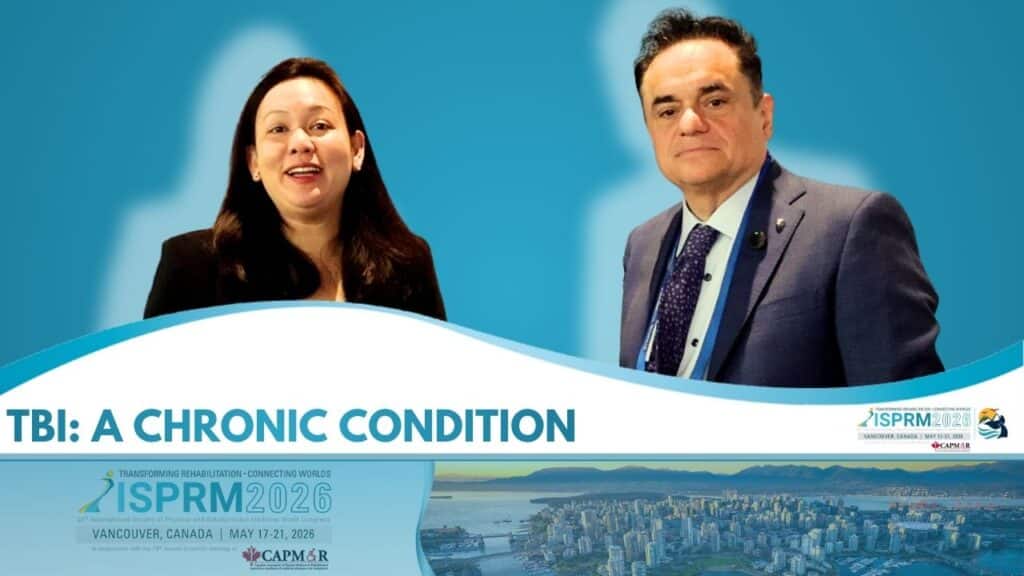
For decades, medical systems have largely treated Traumatic Brain Injury (TBI) as a singular, acute event. However, a growing mountain of clinical data is forcing a radical paradigm shift within physical and rehabilitation medicine: TBI is a chronic, multi-system condition that requires lifelong management. This critical evolution in care was the subject of an interview with Dr. Ross Zafonte, conducted by Krystal Song of the ISPRM Communications Committee during the International Society of Physical and Rehabilitation Medicine (ISPRM) 2026 World Congress.
Following his comprehensive keynote lecture, Dr. Zafonte explained the catalyst for this shift in perspective. «The data has become overwhelming», he stated. «What we see is that there is almost a knot of medical problems that keeps occurring».
This “knot” encompasses a wide range of interconnected, long-term consequences that frequently go unrecognized in traditional post-acute care settings. When discussing the most underappreciated issues facing TBI survivors, Dr. Zafonte highlighted a severe physical toll that extends far beyond cognitive impairment. While he noted the prevalence of behavioral issues such as «depression, anxiety and PTSD», he placed equal emphasis on systemic physical decline. «I also think about cardiovascular disease, hypertension occurs and it occurs at an elevated rate early in life», he detailed. Furthermore, he pointed to «neuroendocrine dysfunction and I think about pain, which is often underappreciated in the population».
A major gap in current health systems is the failure to anticipate these long-term risks. «I think we think of these things as a single event. Instead of this person’s going to be at risk for a long time», Dr. Zafonte explained. He highlighted the urgent need for medical systems to «proactively identify areas where we can screen them and manage them better». The stakes for proactive screening are high; he noted that patients with moderate and severe injuries are «at even increased risk… for brain cancer».
To combat this cascade of chronic issues, Dr. Zafonte advocated for «a multi-system approach, a methodologic approach to early life interventions». As he established during his overarching keynote presentation, waiting to treat these interconnected symptoms until they reach advanced stages is a failing strategy. By implementing proactive, multi-disciplinary care models immediately following the acute phase of a TBI, physiatrists have the opportunity to intervene early and, ultimately, «bend the curve» of a patient’s long-term health trajectory.
Responses