
Rehabilitation Cannot Be an Afterthought in Health Emergencies – WHO Takes an Important Step Forward!

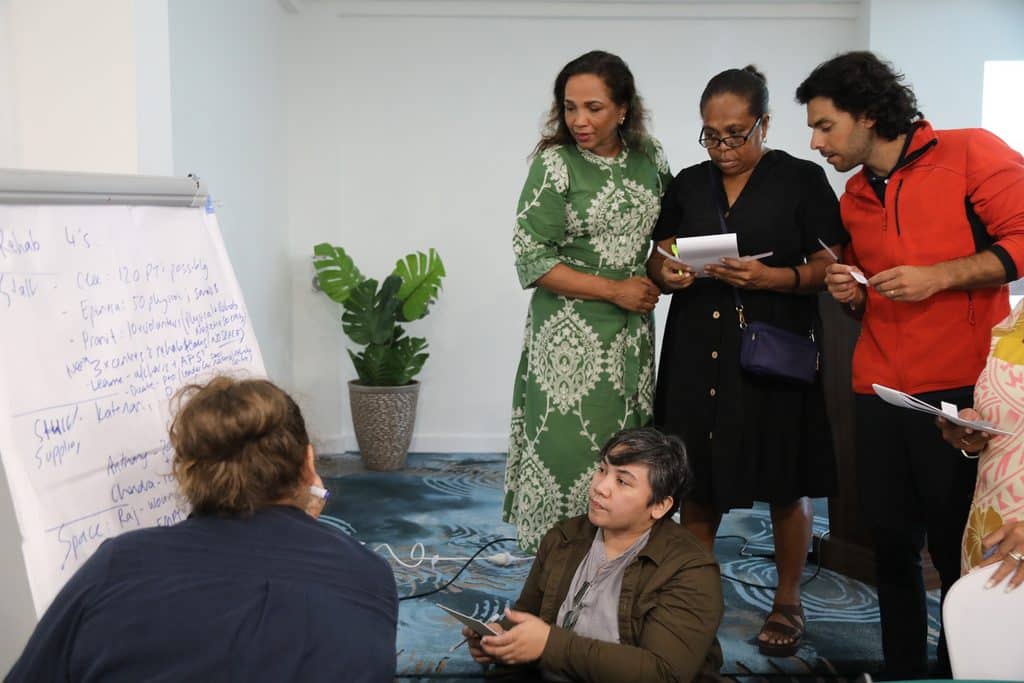
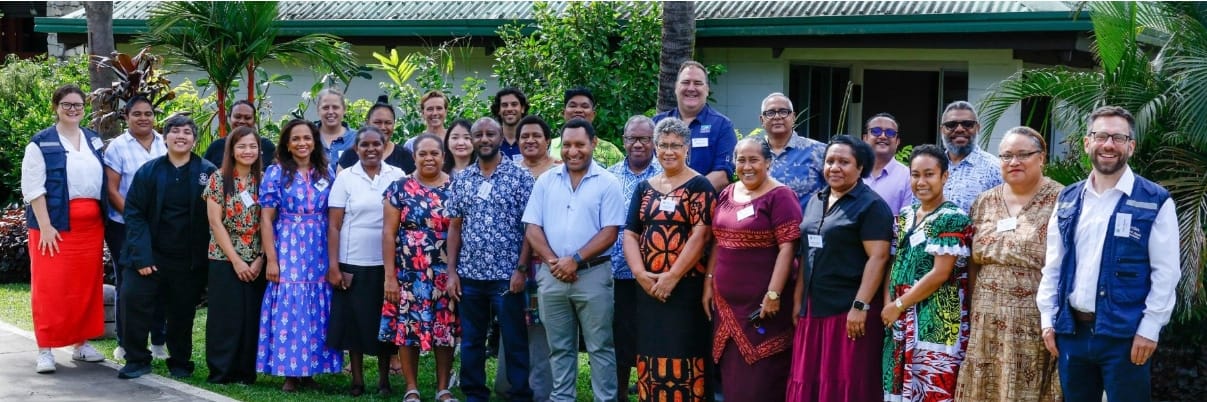
The World Health Organization (WHO) has highlighted a major step towards integrating rehabilitation into global health emergency preparedness and response.
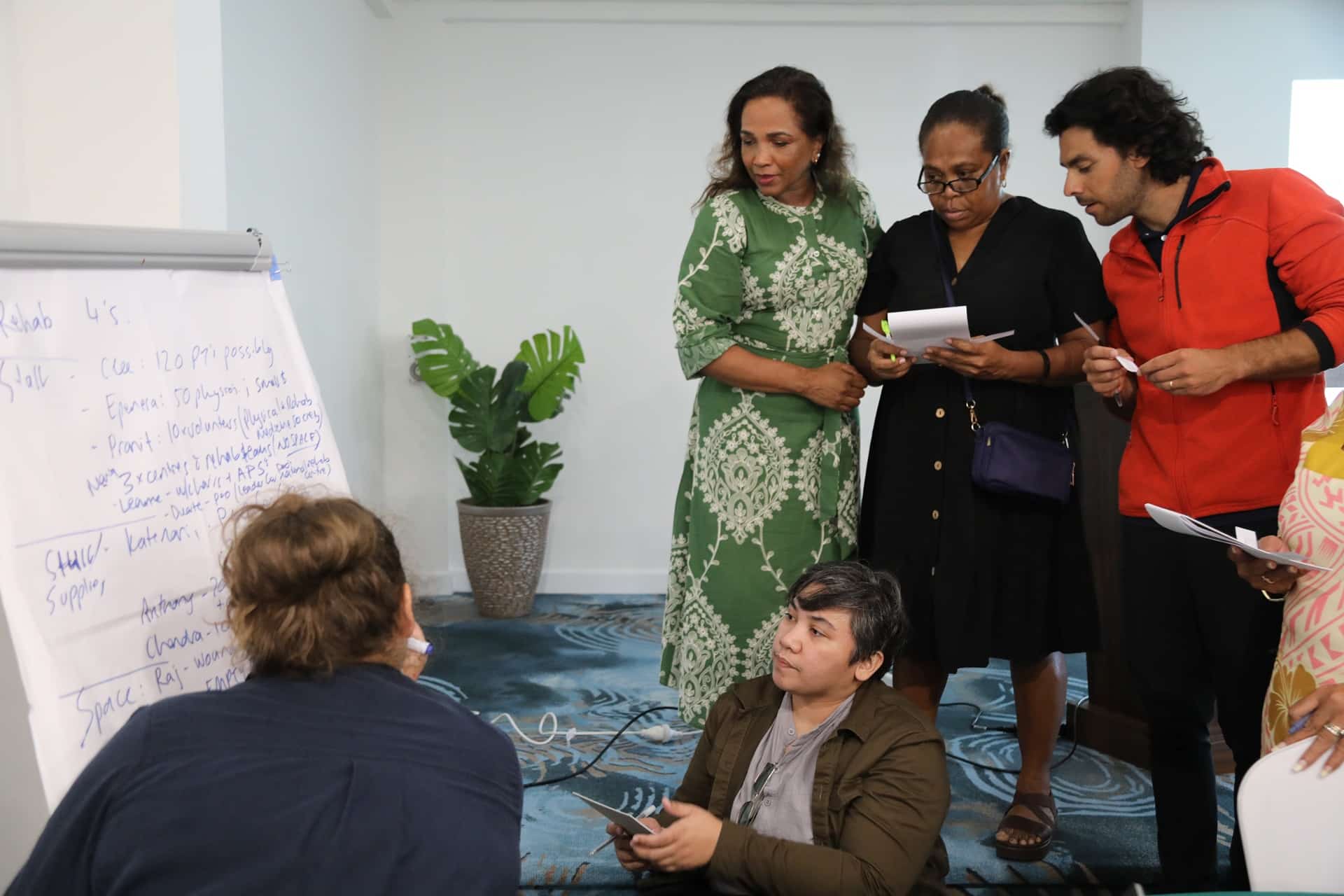
A new WHO Rehabilitation in Health Emergency Preparedness and Response Toolkit was piloted in Fiji, bringing together emergency managers and rehabilitation professionals from across the Western Pacific.
When disasters strike, saving lives is the immediate priority. However, without timely rehabilitation, survivors of spinal cord injuries, brain injuries, amputations and complex trauma face avoidable long-term disability.
The new WHO toolkit aims to help countries integrate rehabilitation into emergency preparedness plans, strengthen workforce capacity and coordination, and ensure rehabilitation is available from the earliest stages of emergency response.
PRM physicians have a key role in emergency preparedness, response and recovery. Their expertise in managing complex disabilities, coordinating interdisciplinary rehabilitation teams and planning long-term functional recovery is essential to ensuring continuity of care following disasters.
Beyond direct clinical care, PRM physicians can provide medical leadership in emergency planning, develop rehabilitation pathways, advise on workforce and resource requirements, and integrate rehabilitation into national disaster response systems.
Dr Maria Paul, member of the ISPRM Emergency Rehabilitation Committee (ERC), has been actively advocating for the integration of rehabilitation and PRM physicians in this initiative. She said: “Rehabilitation assessment and management must be embedded into emergency preparedness rather than thought of only after disaster strikes . Rehabilitation helps restore dignity, purpose and quality to the life saved.”
The International Society of Physical and Rehabilitation Medicine (ISPRM) welcomes this important WHO initiative and remains committed to working with WHO and international partners to strengthen rehabilitation preparedness, response and recovery worldwide.
🔗 Read the WHO article:
https://www.who.int/westernpacific/news/item/28-09-2026-why-rehabilitation-cannot-be-an-afterthought-in-a-health-emergency–a-new-who-toolkit-is-put-to-the-test
#ISPRM #WHO #EmergencyRehabilitation #DisasterPreparedness #PhysicalAndRehabilitationMedicine #RehabilitationMedicine #GlobalHealth #Rehab2030 #MedicalLeadership
Responses