
ISPRM Mentorship Task Force Sets Out Plans for a Global Mentor Network

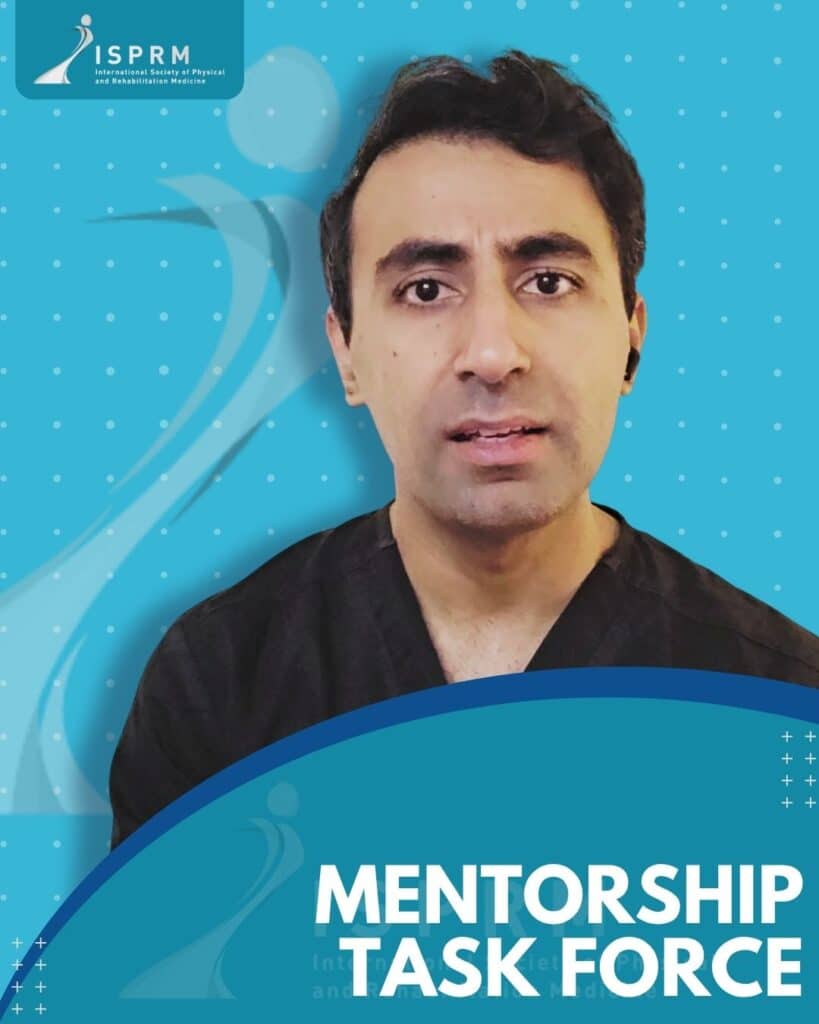
The ISPRM Mentorship Task Force is the subject of the latest video in ISPRM’s series introducing its groups to the rehabilitation community. In it, Chair Dr. Tawab Khalil explains why the task force was created, how it will be structured, and what it is asking of physical and rehabilitation medicine (PRM) physicians around the world.
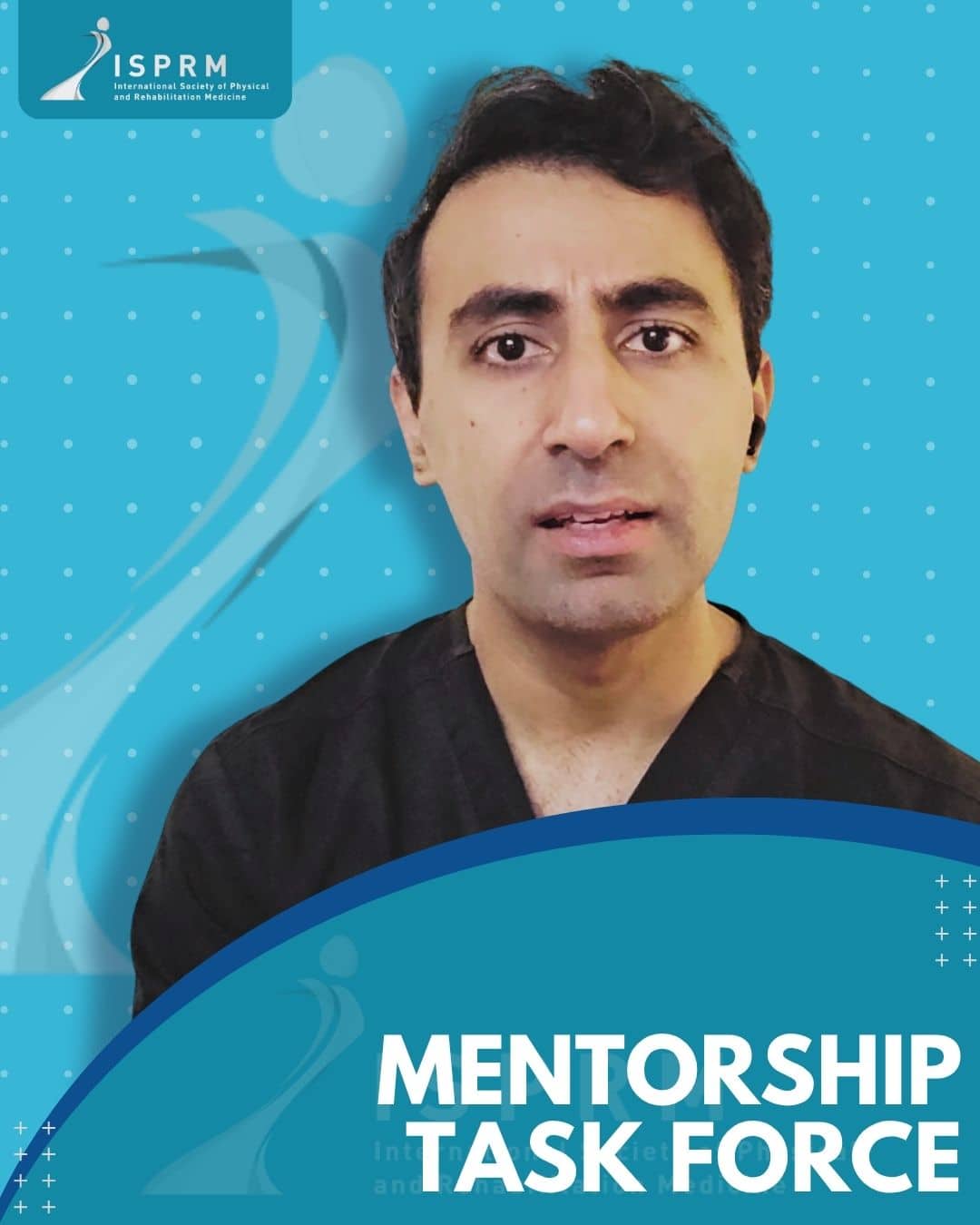
Dr. Khalil describes a gap between the growth of the specialty and the support available to those practicing it. PRM is expanding rapidly worldwide, he says, while access to mentorship, academic opportunities, professional networks, and leadership development remains limited. For many PRM physicians, and particularly those working in resource-limited settings, knowing what to do next can be as challenging as knowing how to do it. The task force has been established to address that gap, with a stated vision of connecting PRM physicians, empowering careers, and strengthening rehabilitation worldwide.
The program will follow a hub and spoke model. The task force will act as a central global hub, with regional leads in each WHO region who will help build a network of experienced PRM mentors. Rather than inviting experienced physicians to begin mentoring straight away, the task force will train them first. Through a series of online workshops, selected mentors will work through effective mentorship, goal setting, communication, feedback, cultural sensitivity, professional boundaries, and how to sustain career development.
Mentoring relationships will be individualized and goal-oriented. Dr. Khalil notes that a mentee may want to publish a first research paper, develop a rehabilitation service, strengthen teaching skills, prepare for a leadership role, or simply have an experienced colleague to help them navigate their professional journey. He frames the initiative as being about people: sharing experience across generations, across borders, and across cultures, and creating opportunities for physicians who may never have had them.
“One mentor can influence a career, but a network of mentors can influence a generation, and a global mentorship network can help transform the future of physical and rehabilitation medicine,” Dr. Khalil says in the video.
The task force is now building that network. It will first welcome experienced PRM physicians willing to become trained mentors. Following mentor training, registration will open for PRM physicians and residents seeking mentorship who are ready to invest in their own professional development. Wherever colleagues are based, Dr. Khalil says, there is a place for them in the work.
The full video introducing the ISPRM Mentorship Task Force is available on the ISPRM website and across ISPRM’s social media channels, where further videos in the series are released.
Responses